Kennington Road Removals Guide for Narrow Access Moves
If you are planning a move on or near Kennington Road, chances are you are already dealing with one of the trickiest parts of London removals: narrow access. Tight stairwells, awkward entrances, parked cars, low-hanging trees, basement steps, and not quite enough room to swing a wardrobe around the corner can turn a simple move into a stressful one. This Kennington Road removals guide for narrow access moves is here to make the whole job feel more manageable, whether you are moving a flat, a family home, or a single bulky item. Truth be told, most access problems are predictable if you know what to look for.
In this guide, you will learn how narrow access moves are planned, what equipment and vehicle choices usually work best, where people often get caught out, and how to reduce damage, delays, and back-and-forth on moving day. You will also find practical checklists, comparison points, and a realistic example from a typical Kennington-style street move. If you are still early in the planning stage, it can also help to look at the broader removals services in Kennington and the more specific flat removals support available for compact properties and stair-heavy homes.
Quick takeaway: narrow access moves are rarely difficult because of one big problem. They become difficult because several small issues stack up at once. The good news is that with the right survey, vehicle choice, packing method, and timing, most of those issues can be reduced or handled cleanly.
Why Kennington Road removals guide for narrow access moves Matters
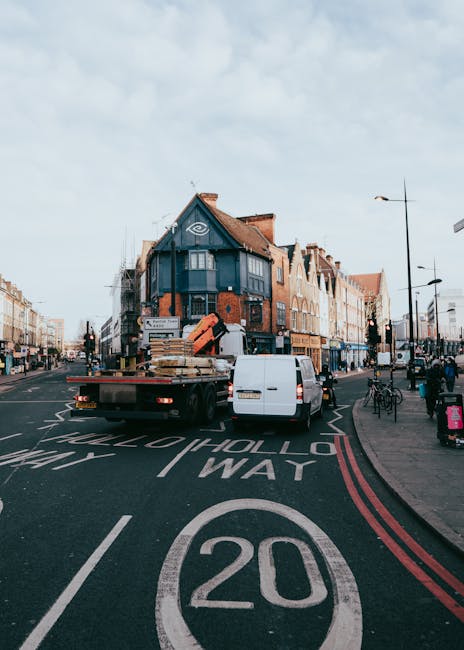
Kennington Road and the streets feeding into it can be busy, built-up, and a little unforgiving for moving day logistics. That does not mean a move is complicated by default, but it does mean you need to think beyond "book a van and turn up." Narrow access changes everything: how the crew carries items, where the vehicle stops, how long the job takes, and whether furniture needs to be partially dismantled before the first box even leaves the property.
Why does this matter so much? Because access issues are one of the easiest ways for a move to run late. A sofa that would normally take ten minutes to remove can take forty if the stair turn is too tight. A fridge may fit through the door but not around the hallway bend. A van parked two houses away because of street restrictions can add extra carrying distance and extra risk. Sounds small, but the domino effect is real.
For people moving in Kennington, narrow access also tends to overlap with other challenges: permit parking, shared hallways, basement flats, controlled entry systems, and neighbours who quite reasonably do not want a stairwell blocked all morning. That is why proper planning is not a nice extra. It is the move.
If you are comparing services or trying to understand what level of help you actually need, it can be useful to review the broader services overview and the page for a flexible man and van in Kennington, especially if your move is small, access-heavy, or needs careful loading in stages.
How Kennington Road removals guide for narrow access moves Works
Narrow access removals work by reducing friction before moving day arrives. In practical terms, that means assessing the property, matching the vehicle to the street, choosing the right packing approach, and deciding whether some items need to be dismantled, protected, or moved in a different order.
A good narrow access move usually starts with three questions:
- What is the access like at the pickup point? Think hallway width, stair shape, ceiling height, doorway clearance, lift size, and street parking.
- What is the access like at the delivery point? A smooth unload at one end can offset a harder exit at the other.
- What exactly is being moved? Flat-pack boxes are one thing; a solid oak wardrobe, treadmill, or piano is another story altogether.
The best movers do not treat these as minor details. They use them to decide whether a small van, medium van, or larger removal van is more appropriate. They also decide whether protective gear such as blankets, floor coverings, shoulder straps, trolleys, sliders, or dismantling tools will make the job safer and cleaner. A narrow hallway can be the difference between a neat hand-carry and a clumsy drag, and nobody wants the latter.
In some cases, narrow access moves are best handled as a phased operation. That might mean starting with the easy items from the upper floor, moving larger items last, or staging boxes in a ground-floor room so the exit route stays open. It sounds obvious once you say it, but plenty of moving-day stress comes from not having a sequence.
And yes, communication matters. If the crew knows the front door is on a steep step, the key handover is delayed, or there is a 4-metre corner turn near the stairs, they can plan around it instead of discovering it at 9:15am with a mattress wedged in a landing. Not ideal.
Key Benefits and Practical Advantages
There is a real difference between "moving in a narrow space" and "moving badly in a narrow space." The goal is not to magically make the property wider. It is to remove enough uncertainty that the move feels controlled.
Here are the main benefits of handling access properly:
- Less damage risk to walls, bannisters, doors, flooring, and furniture.
- Faster loading and unloading because the crew is not improvising at every turn.
- Lower physical strain for everyone involved, which matters more than people think.
- Better use of vehicle space because items are loaded in a sensible order.
- Fewer surprises on moving day, which usually means a calmer customer experience.
There is also a hidden benefit: good access planning often saves money indirectly. Not by magic, and not always by a dramatic amount, but by preventing wasted time and avoiding unnecessary extra trips. A smaller vehicle that can park closer, for example, may outperform a larger van that sits awkwardly down the street. Sometimes the right answer is not "bigger." It is "smarter."
For larger household moves, it can help to compare this kind of service with a dedicated house removals service in Kennington. If your move includes bulky furniture or difficult pieces, the furniture removals option may be the better fit, especially when hallways are tight and corners are awkward.
Who This Is For and When It Makes Sense
This guide is for anyone whose move involves a tricky route rather than just a tricky volume of belongings. That distinction matters. You can be moving a small one-bedroom flat and still have a very awkward job if the access is poor. Equally, you can be moving a larger home with easier entry and have a much simpler day.
It makes sense for:
- people living in upper-floor flats with narrow stairwells
- ground-floor homes with tight hallways or small entry porches
- properties on busier streets with limited waiting or loading space
- students moving in and out of compact accommodation
- anyone with oversized furniture, fragile items, or awkwardly shaped belongings
- landlords and tenants coordinating quick turnarounds between tenancies
If you are a student or moving out of a shared place, the student removals in Kennington page may be useful because student moves often combine narrow access, limited time, and lots of boxes. If your move is last-minute, the same-day removals service can also be relevant, although with narrow access you will still want to share the details upfront. Last-minute and narrow access is possible, but it is not the moment to be vague. Let's face it, vague information slows everything down.
There are times when narrow access is a minor inconvenience, and times when it is the central planning issue. If you are carrying a king-size bed frame down a twisting staircase in a Victorian terrace, that is a central planning issue. If you are moving six boxes and a desk chair from a tidy ground-floor studio, it is probably just a matter of careful loading and parking.
Step-by-Step Guidance
Here is a practical way to organise a narrow access move without making it more complicated than it needs to be.
- Survey the access properly. Measure door widths, stair landings, ceiling height, and any bends that could affect larger items. If possible, note where parking is realistically available, not just where it looks available in theory.
- Identify the difficult items first. Sofas, wardrobes, beds, white goods, and anything heavy or fragile should be assessed before the rest of the load. Don't leave the awkward thing until the end and hope for the best.
- Choose the right vehicle size. A bigger van is not always better if it cannot park close enough. A smaller vehicle with easier access can sometimes be the more efficient option.
- Decide what should be dismantled. Flat-pack furniture, bed frames, some wardrobes, and table legs may be safer to remove in parts. That can save time in the long run.
- Pack with the exit route in mind. Heavier boxes should be manageable, not overfilled. Keep delicate items clearly marked and avoid awkwardly shaped loads that snag on corners.
- Protect the property. Floor runners, door guards, blankets, and corner protection can make a big difference in narrow hallways. It only takes one scuffed wall to remind everyone why this matters.
- Load in the right order. The items that are hardest to move should usually be considered early, not after the van is half full and the crew is already tired.
- Keep communication open. If access changes on the day, say so immediately. A late parking restriction or neighbour obstruction is easier to handle early.
That sequence sounds simple because, well, it is. But simple is good. Moving often goes wrong when people try to improvise their way through a route that should have been mapped out in advance.
If you need boxes, wrapping, or protective materials, the packing and boxes service is worth considering before you start loading. And if your items need to be stored briefly because access or timing is tight, look at storage in Kennington as a pressure-release valve rather than a last resort.
Expert Tips for Better Results
Here is where small decisions make a surprisingly big difference.
Tip 1: measure the narrowest point, not the widest room. People often measure the hallway and forget the hinge side of a door, the stair rail, or the bend at the top of the landing. The narrowest point is the one that decides the move.
Tip 2: photograph the tricky areas. A few quick photos of stairs, doors, parking, and large items can help a mover judge the job more accurately. Even a slightly blurry phone picture is often useful. Actually, sometimes especially useful, because it shows the real clutter and not just the ideal version of the room.
Tip 3: pre-stage items near the exit. If space allows, gather boxes and lighter items near the front room or hallway before the team arrives. That can speed up the rhythm of the move without creating an obstruction.
Tip 4: think vertically. Narrow access is not only about width. Low ceilings, light fittings, and stair headroom can matter just as much. A wardrobe may fit if carried upright, or it may need a different angle entirely.
Tip 5: be honest about the "problem item." Everyone has one. The sofa that almost fits. The table that looks smaller than it is. The treadmill that seemed like a good idea at the time. Say it early.
Tip 6: allow extra time for city conditions. On a busy road, a delivery truck, bin collection, or parked car can change the timing of a move in minutes. A modest buffer helps reduce panic. By late morning, that buffer feels like a small gift.
If your move involves more than general household items, a specialist like piano removals in Kennington may be essential. Pianos are a different category altogether; you do not want guesswork there.
Common Mistakes to Avoid
Most narrow access problems are not caused by bad luck. They are caused by avoidable assumptions. A few of the usual suspects:
- Underestimating the route from property to vehicle
- Assuming large furniture will "just fit" because it fit in the old place
- Not checking parking restrictions or access timing on the street
- Leaving dismantling until moving day
- Overpacking boxes, which makes them awkward in tight spaces and harder to lift safely
- Forgetting about the return journey once furniture is out of the house
One of the sneakiest errors is planning for the best-case scenario and ignoring the likely one. For example, if a parking bay might be available but often isn't, plan for that. If a staircase looks broad but has a tight turn halfway up, plan for that too. Hope is not a logistics tool. Useful in life, not so much in removals.
Another mistake is failing to check whether the move requires a more specific service. An office move, for instance, has different access priorities from a standard domestic move, so the right match may be an office removals service rather than a general household booking.
Tools, Resources and Recommendations
You do not need a warehouse full of gear, but the right kit changes the feel of the move. For narrow access work, the basics usually include:
- measuring tape
- phone camera for photos and video walkthroughs
- furniture blankets and stretch wrap
- door and floor protection
- basic tools for dismantling furniture
- strong boxes in a few practical sizes
- labels or markers for room-by-room sorting
For vehicles, the choice is less about ego and more about fit. A removal van may be perfect for larger loads, but a smaller vehicle can be easier on a narrow street or in a tight parking zone. If you are deciding between services, the pages for a removal van in Kennington, man with van in Kennington, and man with a van in Kennington can help you compare the style of support you need.
It is also worth looking at the provider's trust and process pages before you book. The about us page helps you understand who you are dealing with, while insurance and safety information is especially relevant when the route is tight and the risk of knock or scrape is higher than usual.
And if you are trying to keep costs clear from the beginning, the pricing and quotes page is a sensible starting point. Narrow access can affect the quote, so honest details matter more than wishful thinking.
Law, Compliance, Standards, or Best Practice
For most domestic moves, the main concern is not red tape in the dramatic sense. It is doing things properly, safely, and in line with normal UK moving standards. That means sensible manual handling, clear communication, safe loading, and respect for shared buildings and neighbours.
Best practice typically includes:
- safe lifting and carrying methods to reduce the chance of injury
- property protection to reduce accidental damage
- proper vehicle loading so items stay stable in transit
- clear terms and communication about access, waiting time, and scope of work
- appropriate insurance cover for the type of move being undertaken
If the move involves communal areas, leasehold buildings, or managed blocks, you may also need to respect building rules about lifts, loading bays, and booking slots. Some buildings are straightforward; others are not. A quick check with the property manager can save a lot of frustration later.
You may also want to review practical policies before booking. The health and safety policy gives you a better sense of how safe working should be handled, and the terms and conditions can clarify what is included. For extra reassurance around value and process, the recycling and sustainability page is helpful if you want old items handled responsibly rather than simply dumped or forgotten.
Options, Methods, or Comparison Table
Different access situations call for different moving approaches. Here is a practical comparison to help you decide what fits best.
| Method | Best for | Strengths | Possible drawback |
|---|---|---|---|
| Small van with hand-carry loading | Very tight streets, small flats, short carry distances | Easier parking, flexible access, often quicker to position | May need more trips if the load is large |
| Medium or larger removal van | Bulkier household moves with workable parking access | More capacity in one go, efficient for larger loads | Harder to place in narrow roads or restricted bays |
| Phased move with storage | Complex timing, access constraints, or overlap between homes | Reduces pressure and helps with staging | Requires planning and possibly extra handling |
| Dismantled-furniture strategy | Big beds, wardrobes, tables, or awkward items | Improves fit through narrow routes | Takes time and needs tools plus reassembly care |
There is no single best option. The right choice depends on the property, the items, and the street. A very compact move might suit a straightforward man with van arrangement, while a multi-room family move may be better served by a fuller removal service in Kennington.
Case Study or Real-World Example
Imagine a two-bedroom flat on a busy Kennington Road side street. The front entrance is reached by a short step-up from the pavement. Inside, the hallway is narrow, the stairs turn sharply on the first landing, and one bedroom has a wardrobe that looked fine until moving day exposed how little space it actually had around the top corner.
In a situation like that, a good plan would probably include:
- checking parking and loading access before arrival
- measuring the wardrobe and confirming whether doors or shelves can be removed
- wrapping the corners and the stair rail to prevent damage
- moving lighter boxes first to keep the route clear
- using two people on the awkward item rather than forcing speed
- keeping a clear path to the van so the carry distance stays manageable
The move would not need to become dramatic. It would simply need to be organised. The wardrobe might come apart, the mattress might be protected and carried on a different angle, and the rest of the furniture could follow in a controlled order. That is the quiet truth of many narrow access moves: they succeed because the team pays attention to the small things.
If the occupier is between homes, a short-term stopover in storage can remove pressure from the schedule. That can be especially useful if the completion time is uncertain or if the new property is not ready for all belongings at once.
Practical Checklist
Use this checklist a few days before moving day, and then again the evening before. It helps more than people expect.
- Measure doors, hallways, stairs, and the narrowest corners
- Check parking restrictions and likely loading space
- Photograph any tricky access points
- Identify bulky items that may need dismantling
- Prepare boxes that are not overfilled
- Set aside tools, tape, blankets, and labels
- Tell the mover about low ceilings, steps, or shared entrances
- Confirm whether a smaller van or phased move makes more sense
- Protect floors and walls where possible
- Share contact details for the day, including someone who can answer access questions quickly
Mini reminder: if the move feels borderline, say so. A two-minute conversation upfront is worth more than ten minutes of panic at the doorway.
Conclusion
Narrow access moves on or around Kennington Road do not need to be stressful, but they do need proper thought. Measure the route, understand the load, choose the right vehicle, and be realistic about the awkward items. That combination does most of the hard work for you.
The smartest approach is usually the simplest one: plan ahead, communicate clearly, and use the right level of moving support for the property you actually have, not the one you wish you had. That is how you avoid the usual scrapes, delays, and the slightly embarrassing moment when everyone stands around wondering whether the sofa was optimistic.
If you want a smoother move, start by matching your access details to the right service and asking for advice before the boxes pile up. Get in touch with the team if you need help working out the best approach for your property, your furniture, and your timeline. A quick conversation now can make moving day feel much more ordinary in the best possible way.
Get a free quote today and see how much you can save.
Frequently Asked Questions
What counts as a narrow access move on Kennington Road?
A narrow access move is any removal where space makes carrying, loading, or parking more difficult than usual. That could mean a tight staircase, a small hallway, awkward street parking, limited lift access, or a building entrance that makes larger items hard to manoeuvre.
Do I need to measure everything before booking?
You do not need to measure every spoon, but you should measure doors, stairs, hallway turns, and the biggest items. The important thing is understanding the narrowest point in the route, because that is where problems usually appear.
Is a smaller van always better for narrow access?
Not always. A smaller van may park more easily, but if your load is large it could require multiple trips. The best option depends on the item volume, street layout, and how far the carry is from door to vehicle.
Can furniture be taken apart on the day?
Often yes, provided the furniture is suitable for dismantling and the right tools are available. Beds, some wardrobes, and tables are common examples. It is usually better to decide this in advance rather than discovering it halfway down the stairs.
How do I prepare for a move from a flat with a narrow staircase?
Keep the route clear, measure awkward corners, protect walls and banisters, and identify the largest items early. If possible, stage boxes in a nearby room so the exit path stays open for the crew.
What if parking outside my property is limited?
Tell the mover as soon as possible. A limited parking situation may affect timing, van choice, and loading method. Sometimes a slightly different booking slot or vehicle setup solves most of the issue.
Are narrow access moves more expensive?
They can be, depending on the extra time, complexity, or vehicle planning involved. That said, good preparation can often keep costs sensible by reducing delays and avoiding last-minute changes.
Do I need special help for a piano or heavy item?
Yes, heavy or delicate items may need specialist handling. A piano, for example, is not something to treat casually. If you have one, look at a dedicated piano removals service rather than assuming general moving equipment will be enough.
What should I tell the removal team before moving day?
Share access details, parking limitations, stairs, lift size, the location of large furniture, and any building rules. Photos are helpful too. The clearer the information, the easier it is to plan properly.
What is the best option for a small move with tricky access?
For smaller loads, a flexible man with a van in Kennington can be a strong fit, especially where access and parking matter more than van size. For fuller household moves, a broader removal service may be better.
Can I book a same-day service if access is awkward?
Sometimes yes, but it helps to be very clear about the access issues. A same-day move is easier to arrange when the route, item list, and parking details are shared upfront. Vague details make same-day logistics much harder.
How do I know whether I need storage as part of the move?
If your timing is uncertain, your new place is not ready, or you do not want everything delivered at once, storage can be a practical buffer. It is especially useful when narrow access means the move has to happen in stages.
Where can I read more about moving in the local area?
You may find it useful to browse more local information such as Kennington living feedback or local area content before you book. It helps to understand the neighbourhood rhythm, especially if you are coordinating around busy streets or shared buildings.
How do I get a quote for a narrow access move?
Give the mover as much detail as you can about the property, furniture, parking, and timing. If you want a starting point, the pricing and quotes page is the best place to begin, because accurate access information usually leads to a more accurate price.
If you are planning a move now, take ten minutes to measure, photograph, and list the awkward items. It is a small bit of effort, but it can save a whole lot of bother later. And honestly, that is usually the difference between a stressful move and a decent one.